- Towable vs Self-Propelled Scissor Lifts Introduction: The Economic Impact of Aerial Work Platforms In the modern industrial and construction landscape, time is the most expensive commodity. Choosing the right aerial work platform (AWP) is no longer just a matter of reaching a certain height; it is a strategic financial decision. For business owners and project managers, the goal is clear: maximize productivity while minimizing operational costs. This article explores the efficiency and ROI of two industry staples—Towable Scissor Lifts and Self-Propelled Scissor Lifts—to help you determine which investment yields the best returns for your specific needs.
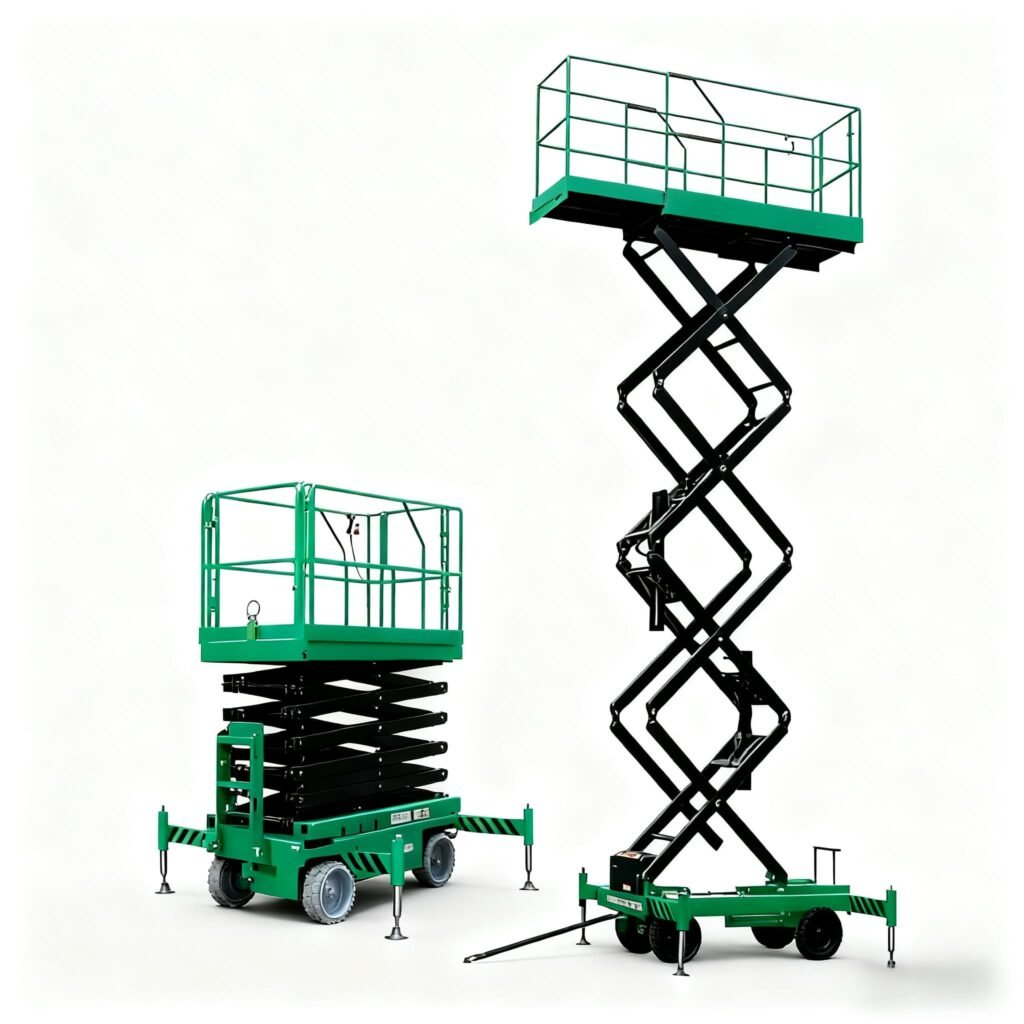
- Towable Scissor Lifts: The Cost-Effective Champion Towable scissor lifts, often referred to as trailing lifts, are the go-to solution for businesses prioritizing a low initial investment without sacrificing reach.
- Minimal Capital Expenditure: Compared to self-propelled models, towable lifts offer a significantly lower purchase price. For start-ups or companies with occasional high-altitude needs, this means a faster path to equipment “break-even.”
- Versatility in Logistics: These units can be easily hitched to a standard pickup truck or van. This eliminates the need for specialized transport trailers, reducing logistical overhead.
- Stability on Diverse Terrain: Many towable models come equipped with heavy-duty outriggers, providing a rock-solid foundation even on slightly uneven outdoor surfaces, ensuring worker safety and confidence.
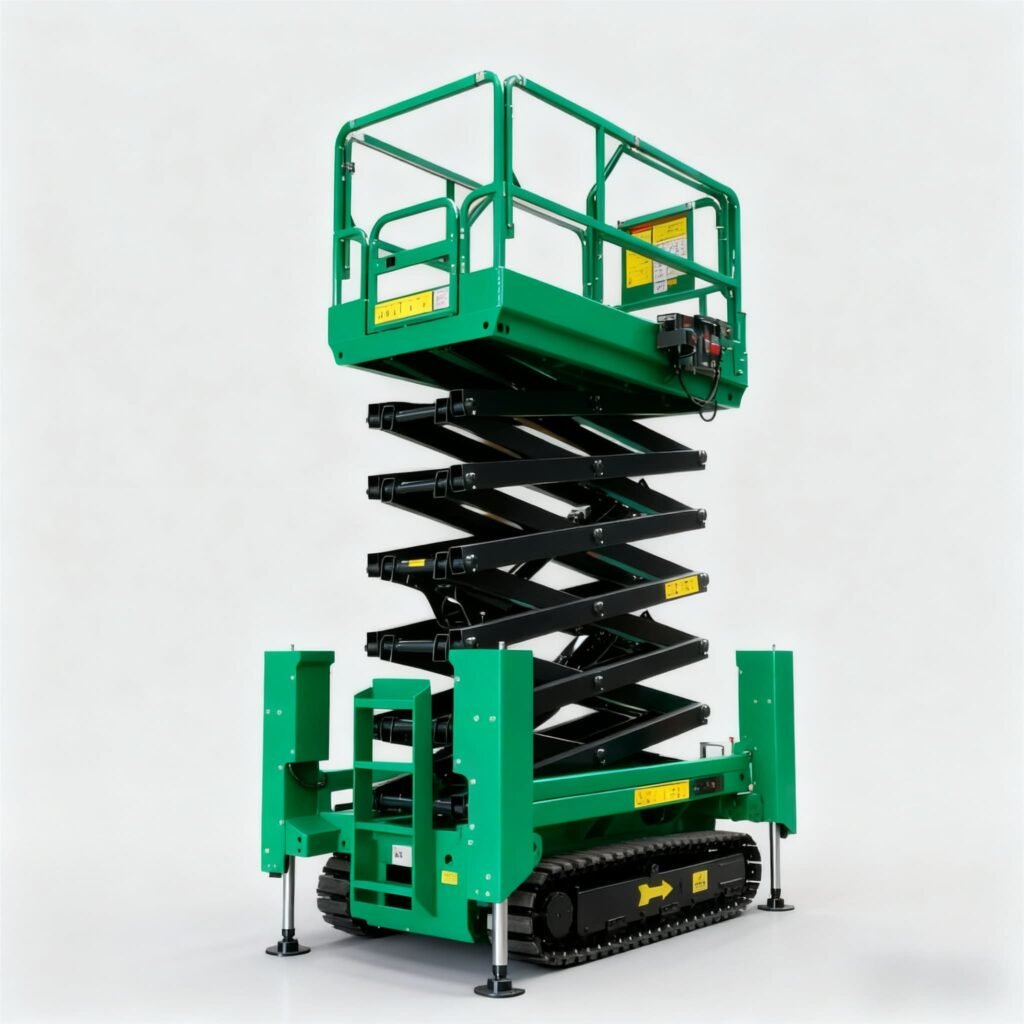
- Self-Propelled Scissor Lifts: The Productivity Powerhouse If your operations demand constant movement and high-frequency tasks, the self-propelled scissor lift is the ultimate efficiency driver.
- One-Man Operation: The primary advantage is that the operator can drive the unit while the platform is fully extended. This eliminates the need to descend, retract outriggers, move the vehicle, and redeploy—a process that can waste hours over a workweek.
- Accelerated Project Timelines: By allowing seamless movement between work points, self-propelled lifts can reduce task completion time by up to 30-50% compared to manual or towable alternatives.
- Precision in Tight Spaces: Most self-propelled units are designed with a zero or tight turning radius, making them ideal for narrow warehouse aisles or crowded construction sites where a towing vehicle cannot maneuver.
- The ROI Analysis: Efficiency vs. Investment When calculating your return, consider the “Total Cost of Ownership” (TCO). A towable lift saves you money upfront, making it ideal for static tasks (like fixed-point maintenance). However, if your labor costs are high, the self-propelled lift’s ability to save man-hours often results in a higher ROI within the first year of operation. For example, in a large-scale warehouse installation, the time saved in repositioning a self-propelled lift can pay for the price difference in just a few months.
- Conclusion: Choosing Your Efficiency Partner At Hengjinrui, we understand that every project has a unique budget and timeline. If your priority is low-cost versatility for multi-site outdoor tasks, a Towable Scissor Lift is your best bet. If you are looking to dominate indoor efficiency and cut labor costs through rapid mobility, the Self-Propelled Scissor Lift is the superior choice. Investing in quality lifting equipment is not an expense—it is a commitment to a safer, faster, and more profitable future.
Contact me now for a free quote:
WhatsApp:+86 188 0007 0997
Email: lucas@hengjinrui.com
Website: https://hengjinrui.com
Hengjinrui (Shandong) Intelligent Manufacturing Co., Ltd.