Introduction In the era of rapid e-commerce expansion and global logistics volatility, the warehouse is no longer just a storage space; it is a high-speed node in the supply chain. For businesses in the Middle East and Southeast Asia, optimizing vertical space has become a survival necessity. While many view freight elevators as simple mechanical tools, industry leaders treat them as strategic assets. At Hengjinrui (Shandong) Intelligent Manufacturing Co., Ltd., we have observed that the right vertical lifting solution can increase operational efficiency by up to 40%.
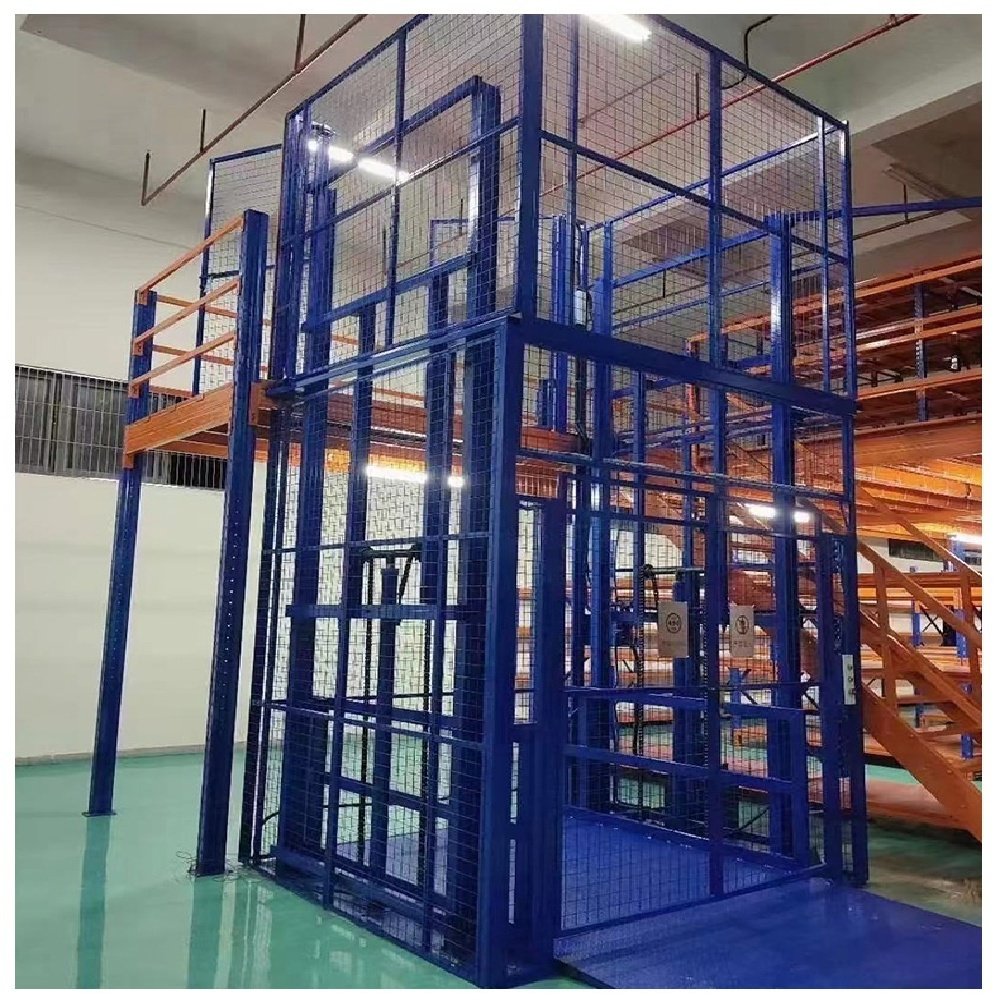
The Shift from Manual to Automated Vertical Logistics Traditionally, moving heavy goods between floors relied on forklifts or manual labor, both of which are prone to bottlenecks and safety risks. A custom-engineered hydraulic freight elevator eliminates these variables. Unlike passenger elevators, industrial freight lifts are designed for high-intensity cycles and concentrated loads.
Why Hydraulic Systems Lead the Industrial Sector? For the markets we serve—ranging from the industrial hubs of Vietnam to the logistics parks in Saudi Arabia—hydraulic freight elevators remain the gold standard.
- Structural Durability: Hydraulic systems exert pressure downwards on the foundation, not the building’s structure, making them ideal for existing warehouse retrofits.
- Safety Protocols: With emergency lowering valves and overflow protection, hydraulic lifts provide a safety net that traction elevators often lack in heavy-duty industrial environments.
- Cost-Efficiency: Lower maintenance costs and simpler installation procedures ensure a faster return on investment.
Navigating Global Standards: Safety and Compliance When exporting to Spanish-speaking South America or the GCC countries, compliance is non-negotiable. A “cheap” lift often becomes the most expensive mistake due to downtime or regulatory fines. Our freight elevators integrate advanced safety features such as explosion-proof valves, interlocking door systems, and overload sensors. These aren’t just “features”; they are the insurance policies for your workforce.
Maximizing “The Third Dimension” Real estate costs are skyrocketing globally. The only way to grow is up. By integrating a freight elevator with a mezzanine system, businesses can double their usable square footage without moving to a new facility. This “Vertical Integration” strategy is what separates profitable logistics firms from those struggling with overhead.
The Hengjinrui Advantage At Hengjinrui, we don’t just sell machines; we engineer solutions. Whether it’s a high-capacity lift for a heavy machinery plant in Thailand or a sleek, reliable goods lift for a retail warehouse in Dubai, our focus is on precision and longevity.
Conclusion The future of industrial growth is vertical. Investing in a robust freight elevator system is a commitment to safety, efficiency, and scalability. As you look to optimize your 2026 operations, ask yourself: Is your vertical logistics a bottleneck or a catalyst for growth?