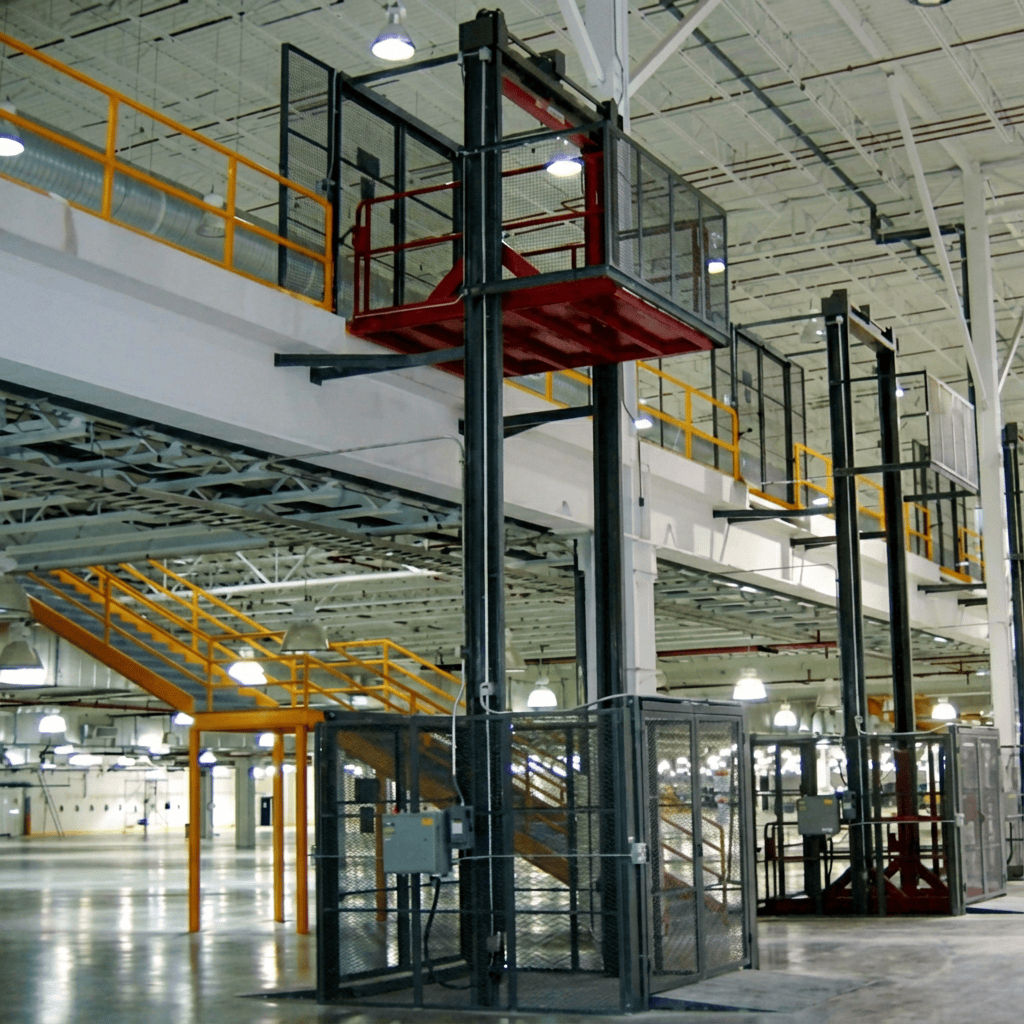
Choosing the right Freight Elevator is a critical decision for industrial efficiency and warehouse safety. When the lifting height is within 10 meters (approximately 3-4 floors), business owners often debate between Hydraulic and Traction systems. As a leading manufacturer, Hengjinrui Intelligent Manufacturing provides a deep dive into which technology suits your B2B needs.
Core Technical Differences
A Freight Elevator operates on one of two principles. Hydraulic systems use a pump to push fluid into a cylinder to lift the platform, while traction elevators use a motor and steel ropes with counterweights. For heights under 10m, the simplicity of the hydraulic structure is often an advantage.
Why Hydraulic Safety Wins Under 10 Meters
In industrial environments, safety is the top priority for any Freight Elevator purchase:
- No Over-travel Risk: The lifting height is physically limited by the cylinder stroke, eliminating the risk of “smashing the ceiling.”
- Emergency Descent: In case of a power outage, a hydraulic Freight Elevator can be lowered manually via a simple valve, ensuring cargo and personnel safety without complex rescue operations.
- Structural Integrity: The load-bearing force is directed to the ground/foundation rather than the building’s overhead beams.
Performance and Cost-Efficiency
While traction elevators offer higher speeds, the difference is negligible for a 10m travel distance. However, a hydraulic Freight Elevator offers superior load capacity (easily handling over 5 tons) and requires no overhead machine room, significantly saving construction costs.
Conclusion
If your facility requires a lifting height under 10m with high load demands and maximum safety, a hydraulic Freight Elevator is the undisputed choice.